Wind vs. Hail: How Each Type of Storm Damages Your Roof
Understanding the Difference Between Wind and Hail Damage
When a severe storm rolls through Central Texas, homeowners often wonder what kind of damage their roof might have sustained. Both wind and hail can leave a roof looking worse for wear, but they attack it in very different ways. Knowing the difference matters because it affects what you look for during an inspection, how urgent the repairs are, and how you approach an insurance claim. This article compares the two threats so you can identify the signs and decide what to do next.
How Wind Damages a Roof
Wind damage is often less obvious than hail damage, but it can be just as serious. Strong winds create uplift forces that try to pull roofing materials away from the deck. The most common sign is missing shingles. When a shingle lifts, the fasteners lose their grip, and the shingle can slide off entirely. Once a few shingles are gone, the exposed area becomes vulnerable to water intrusion during the next rain. Wind can also damage roof flashing, especially around chimneys, vents, and skylights. Flashing that is not properly sealed can peel back, leaving gaps where water can enter.
Another less visible problem is damage to the roof decking itself. In extreme cases, wind uplift can actually bow or crack the plywood or OSB beneath the shingles. This kind of damage is not always obvious from the ground, so a professional inspection is often necessary. Even if the roof looks intact, the fasteners may have been loosened, making the whole system weaker for the next storm.

How Hail Damages a Roof
Hail damage is typically more visible. When hailstones hit a roof, they can crack or bruise the shingles, especially if the shingles are older or made of a more brittle material. On asphalt shingles, you might notice granule loss, where the surface grit is knocked off, leaving bare spots that accelerate aging. On wood shakes or tile, hailstones can cause actual fractures. Over time, the damaged areas will allow moisture to seep in, leading to rot or mold in the underlayment.
Hail can also damage roof flashing and metal components. Dents in flashing, vents, or gutters are common after a hailstorm. Even if the damage looks cosmetic, it can compromise the seal around roof penetrations. For flat or low-slope roofs, hail can puncture the membrane entirely, creating an immediate leak risk. Because hail damage is usually scattered, it can be easy to miss some of the smaller impacts, but those are the ones that cause problems later.
Comparing the Two: What to Watch For
The key difference between wind and hail damage is the pattern. Wind damage tends to be concentrated on the windward side of the roof, especially along the edges and ridges. Hail damage, on the other hand, is more random, with impacts spread across the whole roof surface. Wind often removes shingles entirely, while hail leaves them in place but damaged. A roof that has been through a severe storm may have both types of damage at once, which is why a thorough inspection is important.
Regenesis Roofing & Restoration LLC is also on Facebook.
How to tell them apart:
- Missing shingles or lifted flashing usually points to wind.
- Bruised, cracked, or dented shingles with granule loss usually point to hail.
- Water stains on the ceiling after a storm can come from either, depending on where the damage is.
- Check the gutters and downspouts for granules or debris that match the roof material - this is a clue for hail damage.
- If the damage runs in a line or strip, it is more likely wind-related.
Of course, a storm that brings both high winds and large hail can create a confusing mix. That is why homeowners should always schedule a professional inspection after any severe storm. A roofing contractor can identify every type of damage and recommend the right repairs, whether that means replacing a few shingles, resealing flashing, or addressing more extensive issues.

When Each Type of Damage Requires Different Repairs
Wind damage often requires re-securing or replacing shingles and re-sealing flashing. If the decking is compromised, a more involved repair is needed. Hail damage, by contrast, usually involves replacing individual shingles or sections where the surface is compromised. In both cases, the goal is to prevent water intrusion before it leads to rot, mold, or structural issues. The timing of repairs matters too. A few missing shingles from wind can let in a surprising amount of water during the next storm, so prompt attention is wise. Hail damage may not leak immediately, but over months the exposed areas will deteriorate faster, especially under the Texas sun.
When it comes to general storm damage roofing, the best approach is to have a professional evaluate the entire roof system. Even if the damage looks minor, small issues can grow into expensive repairs if left unchecked. An experienced roofer will know where to look and what to prioritize, which can save you time and frustration.
How to Protect Your Roof Before the Next Storm
Prevention is always easier than repair. Regular inspections, at least once a year and after every major storm, can catch problems early. Keeping trees trimmed near the roof reduces the risk of branches falling and causing impact damage. Ensuring that flashing is properly sealed and that shingles are in good condition will help your roof withstand both wind and hail. For older roofs, a proactive replacement may be more cost-effective than patching damage year after year.
When you do need repairs, choose a contractor who understands the local weather patterns. In Central Texas, storms can bring a mix of wind, hail, and heavy rain, so a roofer who specializes in storm damage roofing will have the experience to handle all of it. They can also help you document the damage for your insurance claim, which is a step many homeowners find confusing. Taking photos from multiple angles and keeping a written record of the storm date and conditions will make the claims process smoother.
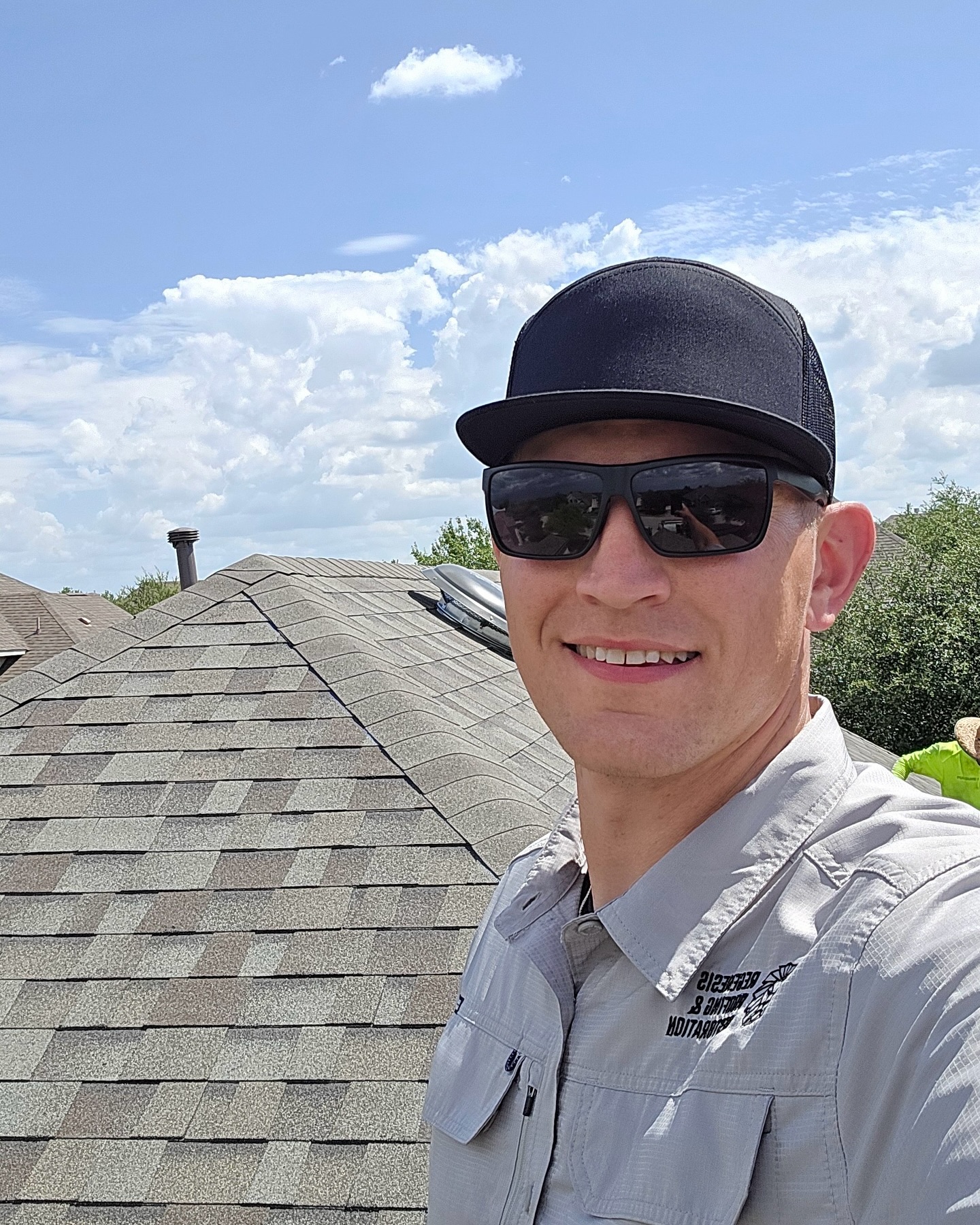
Regenesis Roofing & Restoration LLC, located at 2302 John Tee Dr, Cedar Park, TX 78613, USA, provides roof inspections, repairs, replacements, hail damage restoration, and storm-related roofing services in Cedar Park, Leander, and nearby North Austin communities. You can reach them at +1 512-674-5979 for a professional assessment of your roof after any storm.